The single highest-ROI treatment for tired lawns.
Core aeration relieves the compaction that’s slowly killing your roots. Overseeding with premium fescue in early fall thickens thin turf from the ground up, and a starter fertilizer application feeds the new seedlings while they establish. Together, they transform lawns in a single season.
Why aeration is the treatment that actually moves lawns
Soil compaction is the number-one hidden reason East Tennessee lawns underperform. Foot traffic, mowers, kids, dogs, and clay. Over years, the top few inches of soil compress. Roots can’t grow, water can’t infiltrate, oxygen can’t reach the rhizosphere. Core aeration pulls plugs of soil out and creates channels for roots to expand into. Combined with overseeding, it’s the closest thing to a lawn reset button that exists.
Relieves years of soil compaction
Cores pulled 2-3 inches deep create real pathways for roots, water, and oxygen.
Thickens thin turf dramatically
Premium turf-type tall fescue overseeded into freshly aerated soil establishes at rates thin over-the-top seeding never matches.
Better water penetration
Less runoff into your driveway, more moisture reaching the root zone.
Long-lasting effect
One fall aeration + overseed benefits a fescue lawn for 12+ months.
Common problems this service fixes
- Lawn feels hard as concrete when you walk on it
- Water beading up or running off instead of soaking in
- Thin, patchy turf even with regular fertilizing
- Brown areas in the same spots every summer
- Bare or thinning spots along walking paths and play areas
Our process
Pre-treatment prep
We flag irrigation heads and utility lines before aeration begins.
Core aeration
Full-yard pass with a mechanical core aerator, with plugs pulled 2-3 inches deep.
Overseeding
Premium blue-tag turf-type tall fescue broadcast at the correct rate for your yard.
Fertilizing and care instructions
A starter fertilizer blend is applied with the seed and a written watering schedule is left with you to maximize germination.
Frequently asked questions
Answers to what East Tennessee homeowners ask most.
When is the best time to aerate in East Tennessee?
For cool-season fescue lawns, mid-September through mid-October is prime. Soil is warm enough for fast seed germination but cool enough that new grass isn’t immediately stressed. For warm-season bermuda, zoysia or St. Augustine, late spring or early summer is the window.
Do I have to overseed when I aerate?
No, but the two together are dramatically more effective than either alone. If your lawn is already thick, aeration alone is fine. If it’s thin, overseeding into fresh aeration holes is the highest-ROI treatment we do.
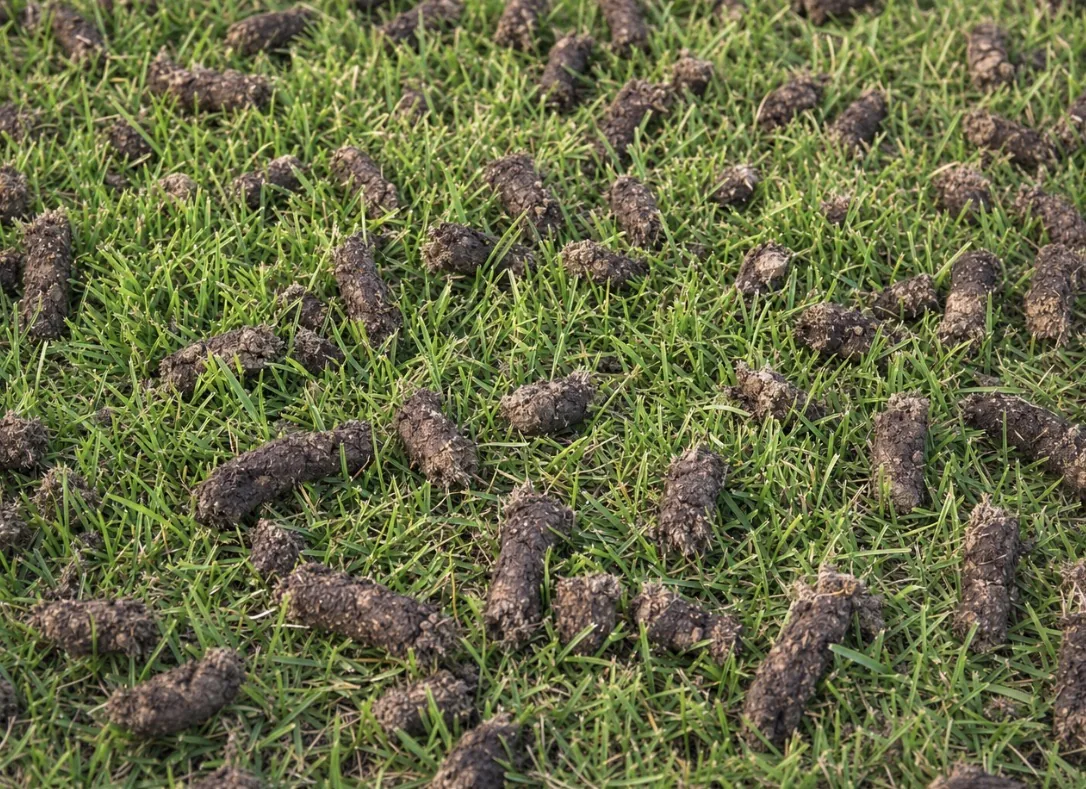
What do I do with the soil cores left on the lawn?
Leave them. They break down naturally within 2-3 weeks and re-incorporate soil biology and nutrients back into the surface. Raking them up defeats a lot of the benefit.
How do I water after overseeding?
Light and frequent for the first two weeks, 3-4 short cycles per day to keep the top half-inch of soil moist. We’ll give you a written watering schedule before we leave.
Pairs well with
Let’s build a plan for your lawn.
Free evaluations. Straight answers. No franchise pressure. Talk to Brett, the same UTK Turfgrass Science graduate who will treat your lawn every visit.