Stop grubs and fungus before they scar your lawn.
Preventive grub applications applied on the right timing kill the next generation of Japanese beetle and masked chafer larvae before they touch your roots. Fungicide programs stop brown patch and dollar spot before your fescue browns out in July.
The difference between preventive and reactive treatment
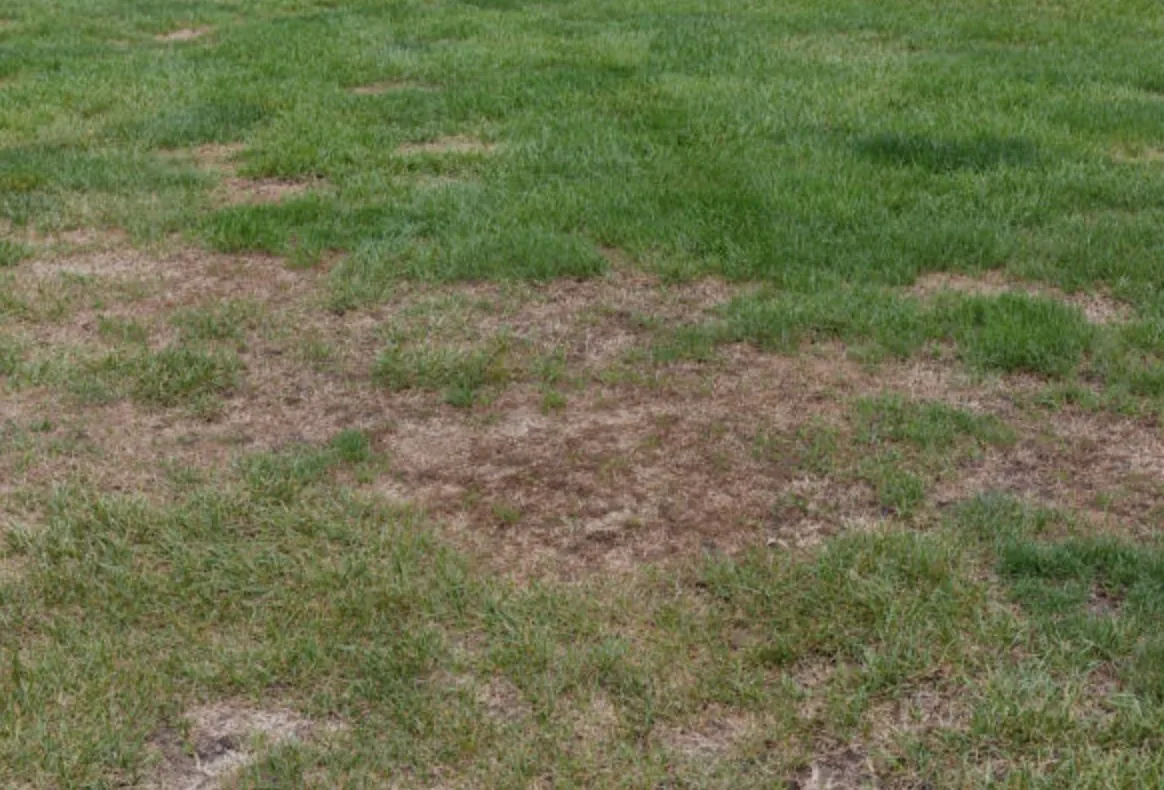
By the time you see grub damage or a brown patch outbreak, the lawn has already suffered. Preventive treatments applied on the correct calendar, before the pest or disease is active, cost less, work better, and mean you never see the damage in the first place. That’s the entire point.
Zero visible grub damage
Preventive applications kill the current-season larvae before they do any feeding.
Protection against brown patch
The #1 fescue disease in East Tennessee. Preventive fungicide programs stop it before humid July nights trigger an outbreak.
Dollar spot control
Small silver-dollar-sized brown spots, most common on high-value lawns. We prevent, not chase.
Healthier soil biology
We use targeted chemistry and rotate active ingredients so beneficial soil life isn’t wiped out.
Common problems this service fixes
- Brown patches in mid-summer that pull up easily like sod
- Skunks, raccoons, or birds digging up the lawn overnight (a giveaway for grubs)
- Circular brown spots that expand outward on humid mornings
- Fescue thinning out every July no matter what you do
- Small silver-dollar-sized straw-colored spots on well-maintained turf
Our process
Assess risk
History of grub damage in your neighborhood? Big trees + shade + fescue? We identify the highest-risk lawns and prioritize preventive coverage.
Time it correctly
Grub preventives applied June to July, before egg hatch. Preventive fungicide starts before July humidity triggers outbreaks.
Apply properly
Watered in for root-zone-active chemistry to reach the target zone. Foliar applications timed to dry weather windows.
Monitor
We check every lawn on every visit for early signs of damage and act before it spreads.
Frequently asked questions
Answers to what East Tennessee homeowners ask most.
Do I need grub control every year?
Not every lawn. Grub pressure varies by neighborhood and year. If you’ve had damage before, or you border wooded areas, preventive treatment is cheap insurance. We’ll tell you honestly whether your specific lawn needs it.
How do I know if I have grubs vs. disease?
Grub damage pulls up like a loose piece of carpet. You can literally lift the dead turf and see the C-shaped white larvae underneath. Disease damage stays attached to roots and typically forms circular patterns. We can diagnose on-site.
Are fungicides safe for pets and kids?
Yes, when applied correctly. Modern turf fungicides have low mammalian toxicity and short re-entry intervals. We’ll tell you the exact re-entry time after every application.
Can you save a lawn that already has severe brown patch?
Yes, in most cases. We stop the active outbreak with curative fungicide, then rebuild the damaged areas with fall aeration + overseeding. Full recovery is typically one full growing season.
Pairs well with
Let’s build a plan for your lawn.
Free evaluations. Straight answers. No franchise pressure. Talk to Brett, the same UTK Turfgrass Science graduate who will treat your lawn every visit.